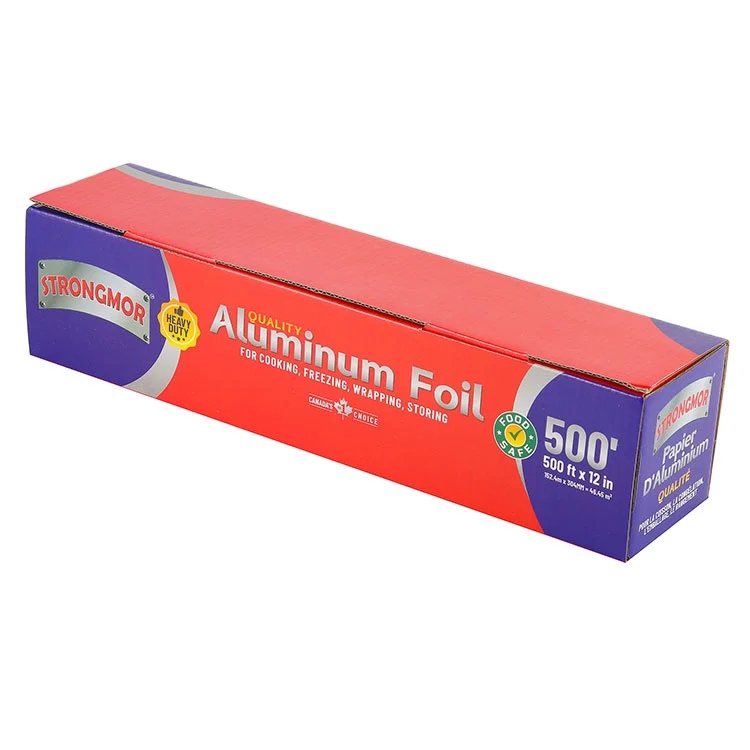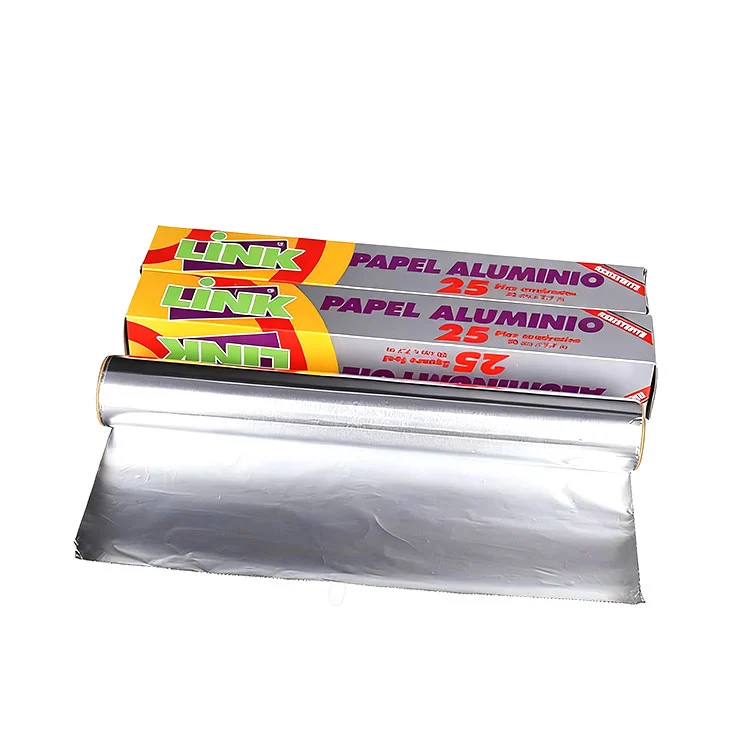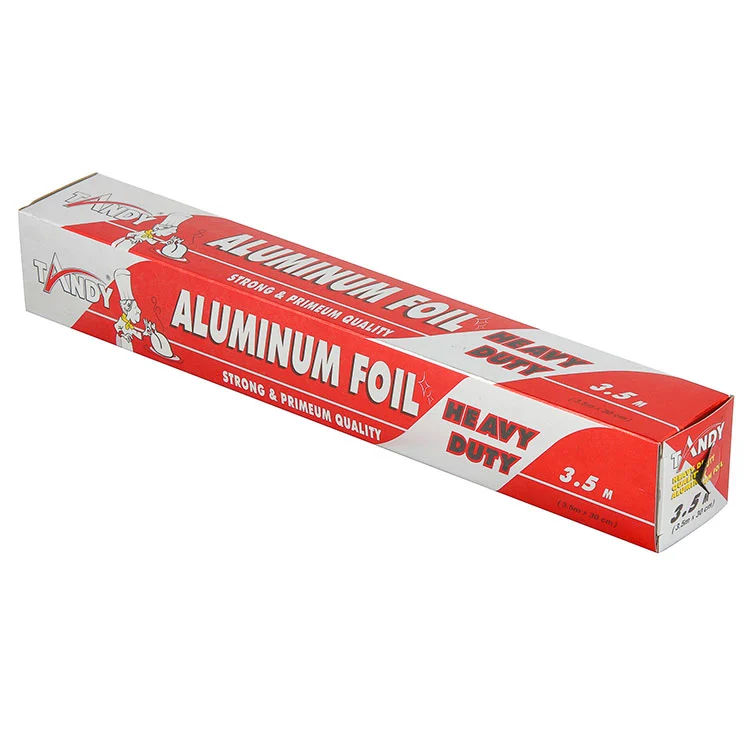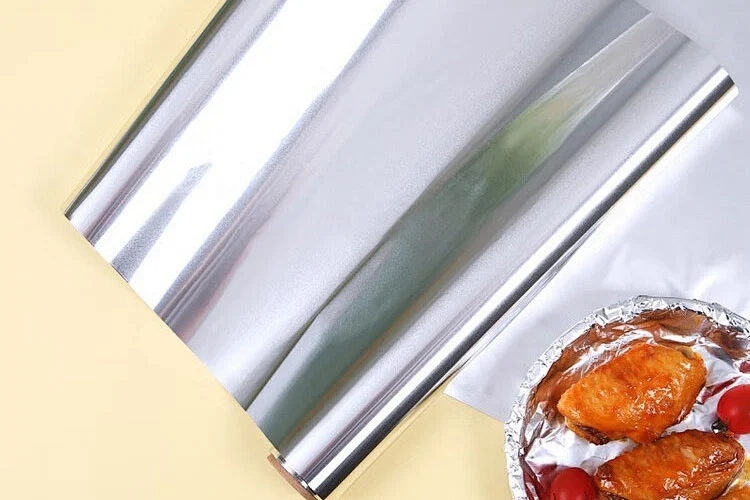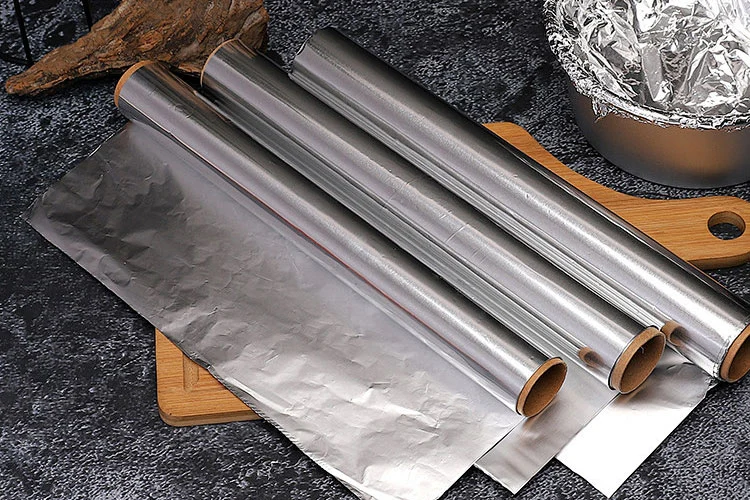

Foil production plays a critical role in packaging, food storage, and industrial applications. However, producing high-quality aluminum foil while minimizing environmental impact requires careful attention to energy consumption, emissions, waste management, and resource efficiency. At our factory, we focus on sustainable manufacturing practices while maintaining consistent product quality. Our Aluminum Foil Roll products are designed to meet both industrial standards and environmental expectations. Ningbo Besty Aluminium Foil Products Co., Ltd. continually evaluates process improvements to reduce environmental footprint and optimize resource utilization in each stage of production.

Energy usage is one of the most significant environmental factors in foil production. Rolling aluminum into thin sheets consumes large amounts of electricity and heat. Our factory implements energy-saving techniques, including high-efficiency motors, optimized rolling schedules, and waste heat recovery systems. Aluminum Foil Roll production at our facility is carefully monitored to balance output and energy consumption. Ningbo Besty Aluminium Foil Products Co., Ltd. has developed protocols to measure energy per ton of foil produced, ensuring our operations are both economically and environmentally responsible.
Process engineers in our team continually evaluate rolling speeds, annealing temperatures, and lubrication efficiency to reduce unnecessary energy loss. By optimizing these parameters, our production lines achieve higher throughput with lower energy per unit, directly impacting overall environmental performance.
Air emissions, including particulate matter and volatile compounds, are a major concern in aluminum foil manufacturing. In our factory, strict filtration systems and emission scrubbers are used to capture airborne particles generated during rolling and finishing. Our Aluminum Foil Roll products are processed in a controlled environment to minimize the release of fine aluminum dust and lubricants into the atmosphere. Besty continuously monitors emission levels to comply with local and international regulations.
Reducing emissions also involves managing the temperature and chemical composition of rolling lubricants. Our technical team experiments with biodegradable lubricants to reduce chemical volatility while maintaining foil quality. This approach improves environmental safety without compromising product specifications.
Water is essential for cooling and cleaning in foil production, but excessive use can lead to environmental stress. At our factory, we recycle water through closed-loop systems, minimizing freshwater withdrawal. Aluminum Foil Roll production requires precise control of water flow to maintain foil surface quality. Our factory has installed sedimentation and filtration units to treat wastewater before discharge, ensuring that chemical residues and suspended solids are removed effectively.
By monitoring water consumption, we optimize cooling efficiency while reducing overall waste. Our engineers regularly analyze effluent quality and adjust water treatment protocols to meet both performance and environmental requirements.
Raw material consumption is another key factor in environmental impact. Aluminum is highly recyclable, and our factory maximizes the use of recycled aluminum in producing Aluminum Foil Roll. Ningbo Besty Aluminium Foil Products Co., Ltd. sources scrap material both internally and externally to reduce the need for primary aluminum, significantly lowering energy and resource use. Our production lines are designed to minimize off-cuts and foil scrap during rolling, ensuring the highest yield per batch.
Our team also implements quality checks to identify any defective foil rolls early, allowing for immediate reprocessing rather than waste. This approach contributes both to resource efficiency and cost-effectiveness, making our operations more sustainable.
The environmental impact of foil production is strongly tied to process control. Rolling speed, annealing conditions, lubricant application, and cooling water flow must be precisely managed. Our factory applies automated monitoring and data analysis to optimize these parameters. Aluminum Foil Roll quality is maintained without unnecessary energy or resource consumption. Besty regularly updates standard operating procedures to incorporate environmental improvements identified through ongoing monitoring and research.
Below is a reference table summarizing key process parameters and their environmental considerations.
| Process Stage | Key Parameter | Environmental Consideration | Our Control Approach |
| Rolling | Speed & Pressure | Energy consumption and lubricant emissions | Optimized rolling schedules and high-efficiency motors |
| Annealing | Temperature & Time | Energy use and potential air emissions | Precise thermal control and emission scrubbers |
| Cooling | Water Flow | Water consumption and wastewater quality | Closed-loop recycling and filtration treatment |
Foil production generates scrap, defective rolls, and used lubricants. Our factory collects and segregates all waste streams for proper recycling or disposal. Aluminum Foil Roll scrap is re-melted into new billets, while used lubricants undergo chemical treatment before reuse or disposal. This systematic approach ensures minimal environmental impact and resource loss. Process efficiency and responsible waste management are closely monitored. Our technical team tracks material flow and waste generation in real time to implement continuous improvements, supporting both sustainability goals and operational efficiency.
Q1: How does energy consumption impact the environmental footprint of foil production?
Energy use accounts for the largest portion of environmental impact in foil production. High electricity consumption during rolling and annealing increases greenhouse gas emissions. Optimizing rolling speed, heat recovery, and motor efficiency helps reduce overall energy demand, leading to a smaller environmental footprint.
Q2: Why is water management critical in aluminum foil manufacturing?
Water is essential for cooling and cleaning, but excessive discharge can harm local ecosystems. Closed-loop water recycling and advanced wastewater treatment reduce freshwater withdrawal and prevent chemical contamination. Monitoring water usage ensures sustainable operations while maintaining foil quality.
Q3: What strategies help minimize air emissions in foil production?
Emissions of particulate matter and volatile compounds can affect both workers and the environment. Installing scrubbers, using biodegradable lubricants, and controlling process temperatures effectively reduce airborne pollutants. Continuous monitoring ensures compliance with environmental regulations and protects local air quality.
Environmental considerations in foil production cover energy efficiency, air and water management, material recycling, and workplace safety. By carefully controlling these factors, our factory produces Aluminum Foil Roll products that meet high performance standards while reducing environmental impact. Ningbo Besty Aluminium Foil Products Co., Ltd. is committed to sustainable practices and continuous improvement. If you are seeking high-quality aluminum foil solutions with environmental responsibility, contact our team today to discuss your requirements and receive tailored guidance.