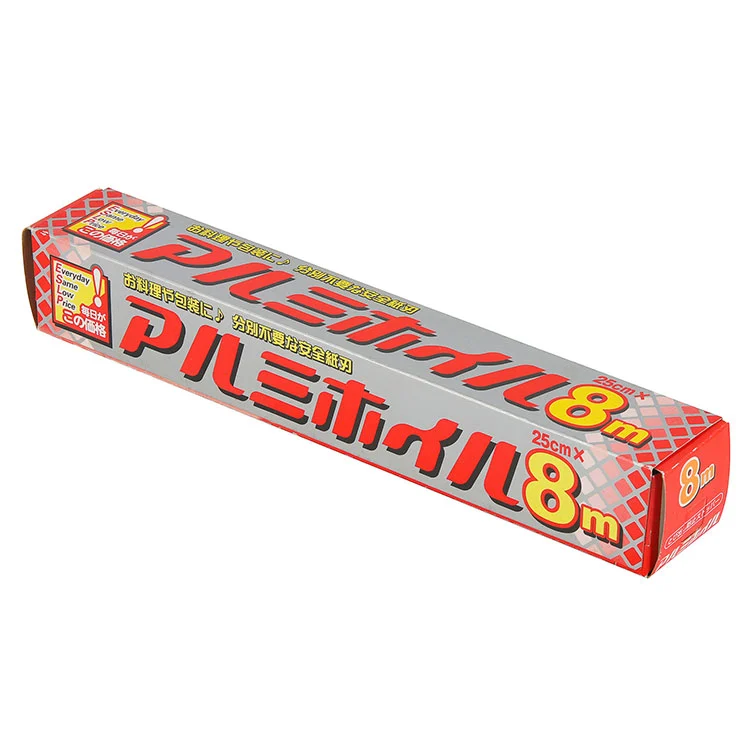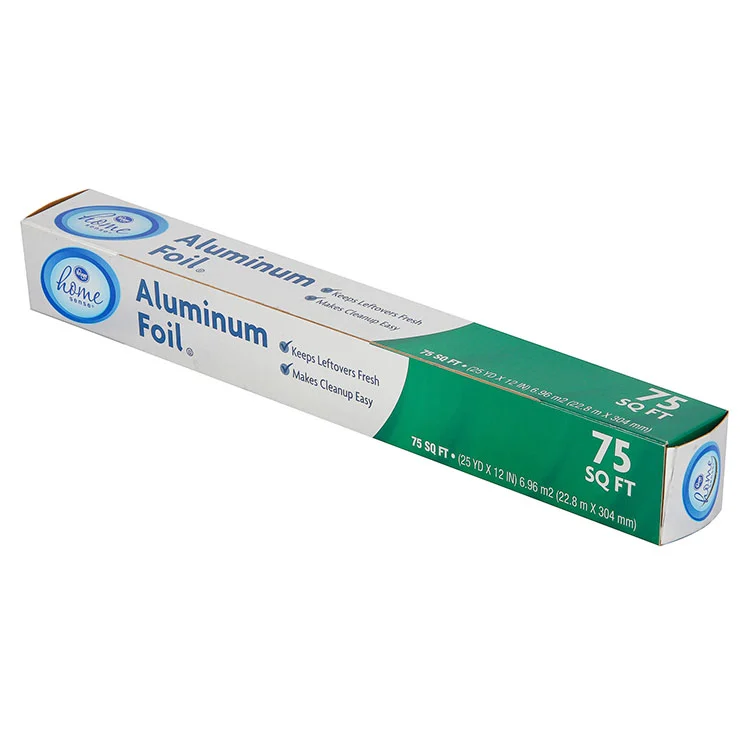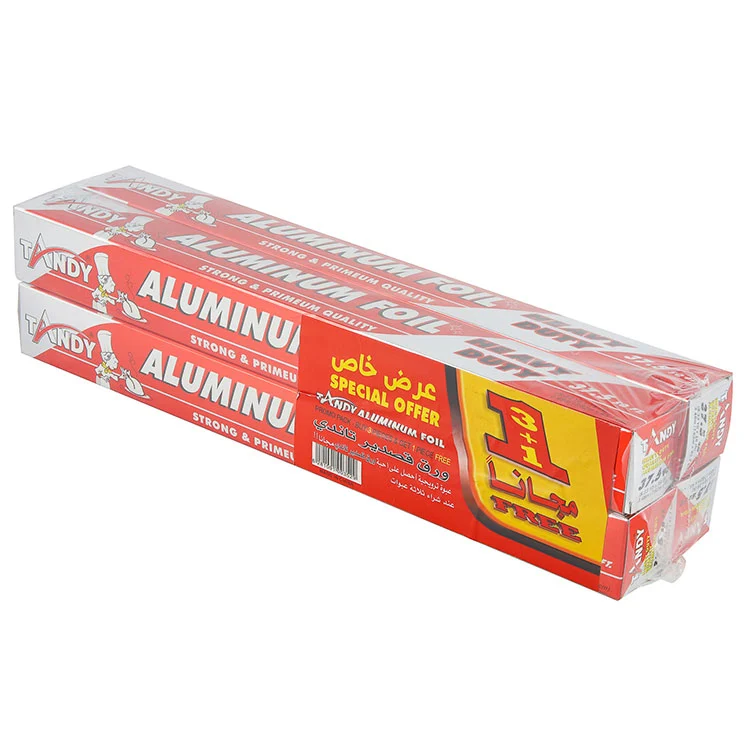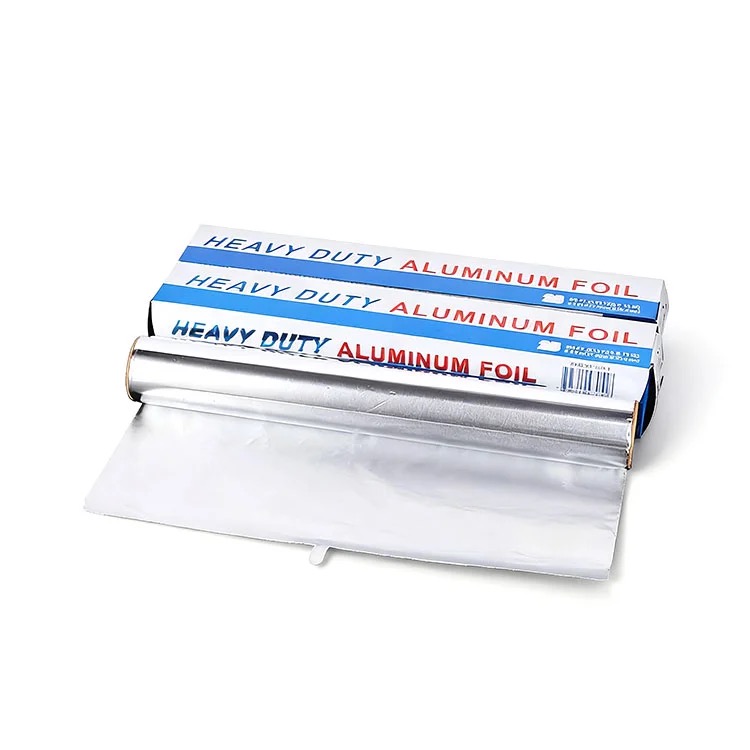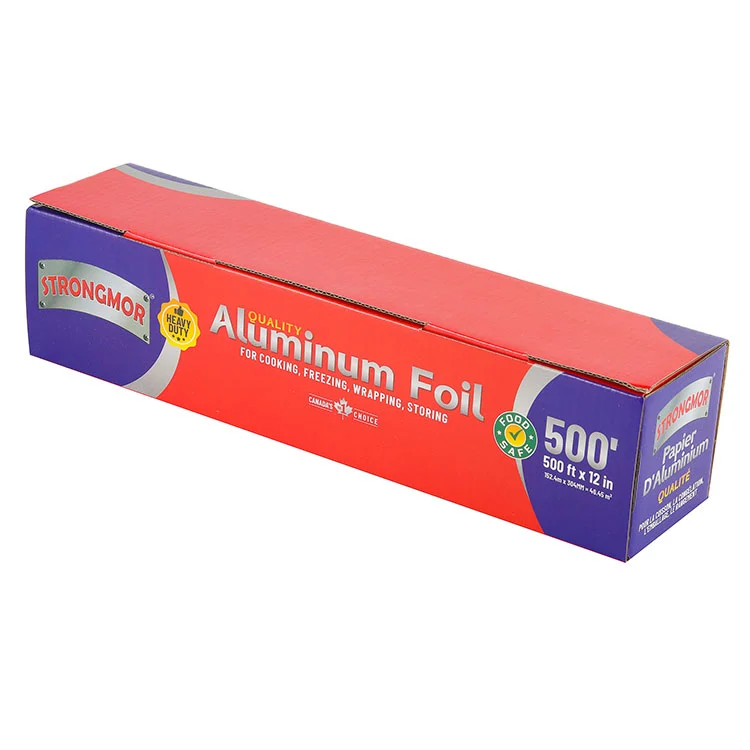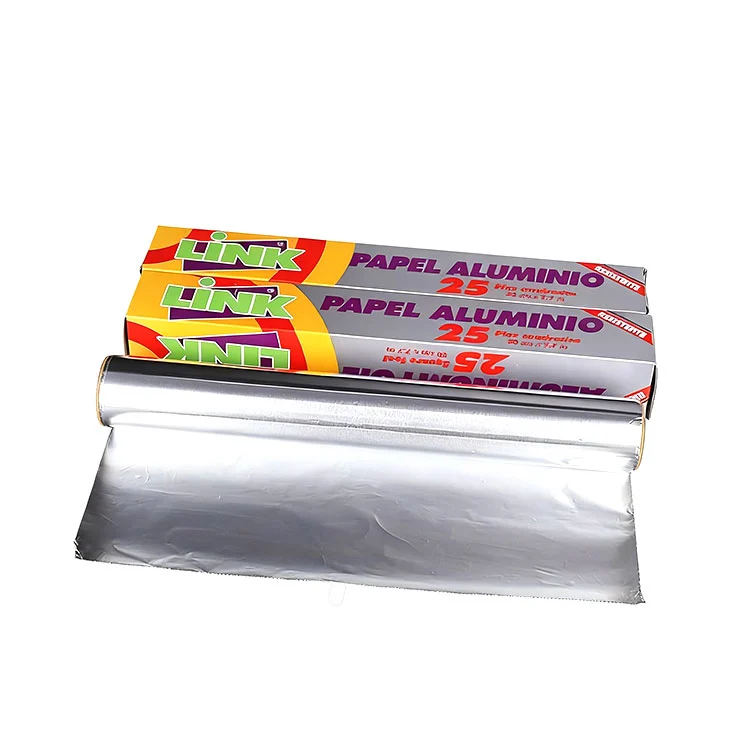
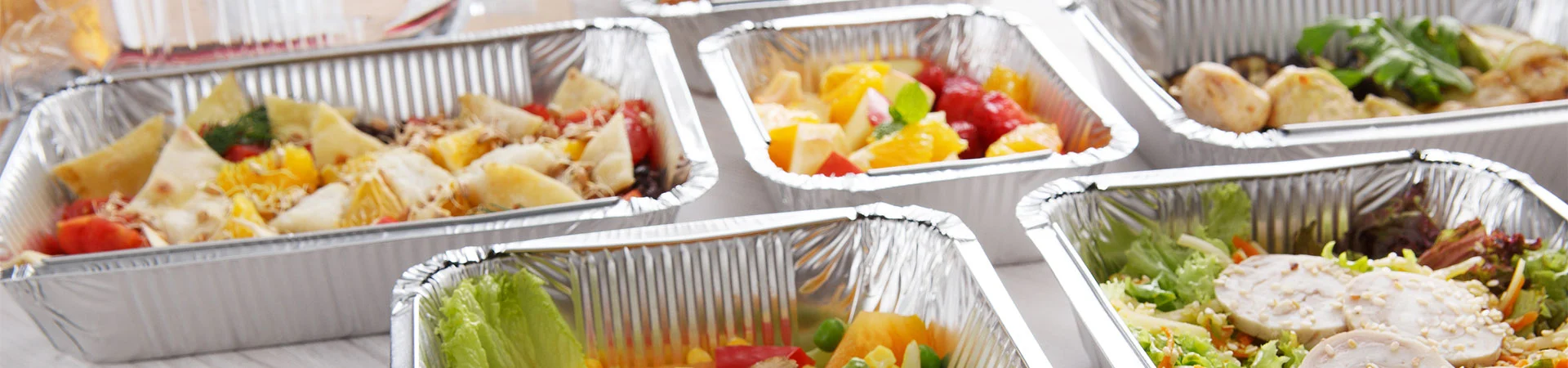
A Johns Hopkins University study showed that 34% of foodborne disease outbreaks stem from packaging contamination. At an oven temperature of 375°F (approximately 190°C), substandard aluminum foil will release 14 mg/kg of metal compounds, which is 2300% higher than the limit set by the U.S. Food and Drug Administration. The real Food Grade Aluminum Foil is like a thin barrier to protect dinner from disaster. Bsty has redesigned Food Grade Aluminum Foil to meet medical-grade standards, making it the preferred solution for Michelin-starred restaurants, NASA meal plans and environmentally friendly homes.
1. Transfer of heavy metals in acidic environments
When supermarket's own brand aluminum foil comes into contact with ketchup during baking, it releases up to 11.6 mg/kg of aluminum ions, which is four times the weekly tolerable intake recommended by the World Health Organization. The 99.5% purity alloy of Bsty's Food Grade Aluminum Foil is electrolytically purified to reduce the ion transfer amount to 0.27 mg/kg even at high temperatures of 400°F (about 204°C).
2. Freeze burns caused by needle holes
Poor quality 10 micron aluminum foil will produce 120-300 pinholes/square meter during the rolling process, accelerating water loss. Frozen salmon will form ice crystals within 3 weeks, causing a 18% decline in taste. Bsty precision-rolled Food Grade Aluminum Foil of more than 15 microns has a number of pinholes of less than 15 per square meter, which can extend the shelf life of frozen foods by 72 days.
3. Thermal deformation during barbecue
Cheap tinfoil paper deforms at 280°F (138°C) and grease drips onto the flame. The U.S. Department of Agriculture reports that 23,000 barbecue fires each year are caused by this defect. Bsty's H24-grade tempered Food Grade Aluminum Foil paper can withstand high temperatures of 660°F (350°C) and has a tensile strength of up to 195N/mm², enough to hold boiling broth without tearing.
| Property | Besty Specification | Industry Standard |
|---|---|---|
| Thickness Range | 9μm – 25μm (±0.3μm tolerance) | ±2–5μm tolerance |
| Purity Level | 99.50–99.85% aluminum | 97–98% aluminum |
| Tensile Strength | 140–205 N/mm² (ASTM E8/E8M) | 80–120 N/mm² |
| Elongation Rate | ≥1.5–2.5% (critical for molding) | 0.5–1.2% |
| Hydrocarbon Residue | ≤2mg/m² (FDA Sec. 175.300) | Up to 25mg/m² |
| Water Vapor Transmission | 0g/m²/24hr at 38°C/90% RH | 0.8–3g/m²/24hr |
| Product Line | Core Technical Advantage | Ideal Use Case |
|---|---|---|
| Conduction Rolls | 0.0003 surface roughness for even heat flow | Sous-vide cooking, batch baking |
| Pop-Up Sheets | Perforated release coating prevents sticking | Fast-food burger wrapping stations |
| Laminated Boxes | PE/PP lamination withstands -40°C to 120°C | Cryo-shipping steaks, liquid meals |
| Embossed Baking Foil | Honeycomb pattern enhances rigidity by 60% | Sturdy pie crust molding, campfire use |
| Printed Custom Rolls | Food-grade ethanol inks withstand 250°C | Branded pastry shops, airlines |
Question: Will aluminum foil react with high-acid rice sauce during catering transportation?
Answer: Bsty's Food Grade Aluminum Foil is treated with nitric acid to form a protective oxide layer. After testing, its pH value is within the safe range of 2.3 to 12.1, and it will not react even if it is exposed to lemon curry for 24 hours.
Question: How to prevent aluminum foil from adhering to sticky desserts?
Answer: Please consult our proprietary QS-7 release coating-a food grade silicone emulsion that reduces adhesion to <0.1N/cm. The patented micro-spray system prevents mucus from condensing and maintains a moisture barrier without leaving residue.
Question: Can stamped aluminum foil trays withstand commercial freezing at-30 ° F?
Answer: Of course. Our H19 grade cold rolled trays have an elongation at break of 18%, and have no rupture after 1500 freeze-thaw cycles.