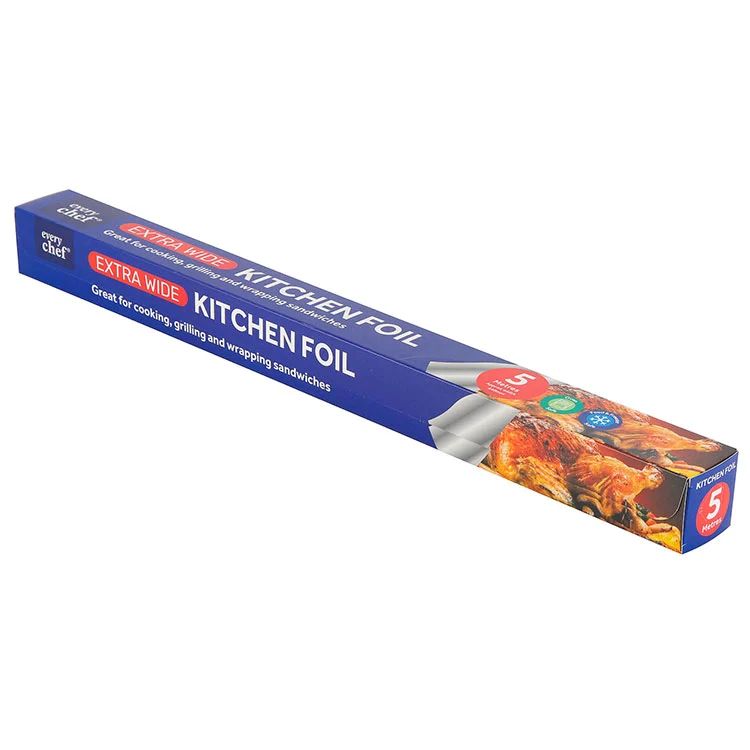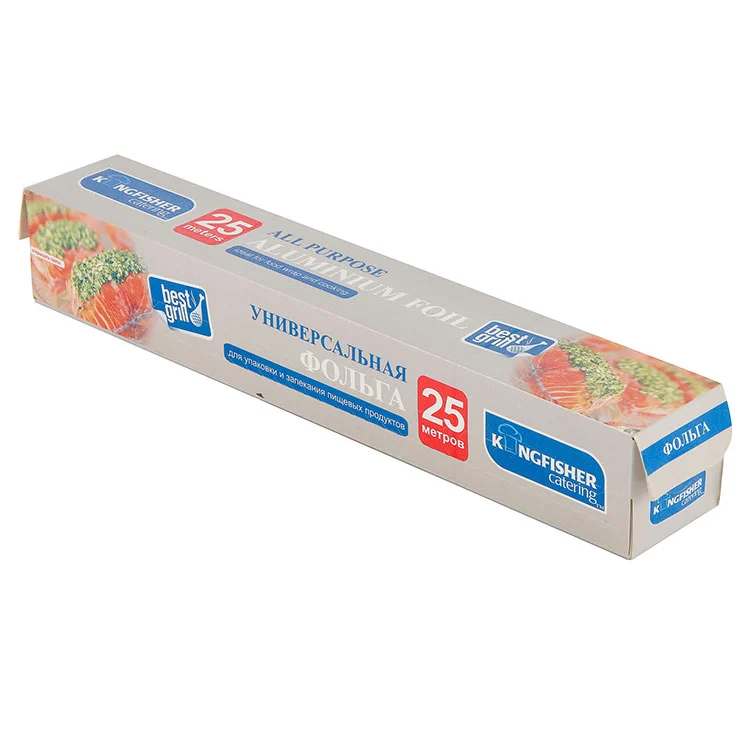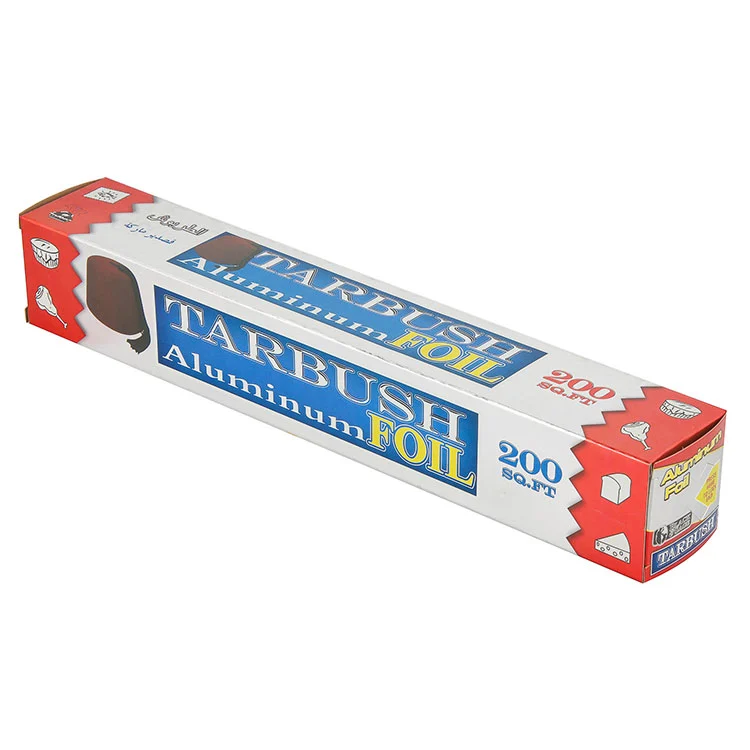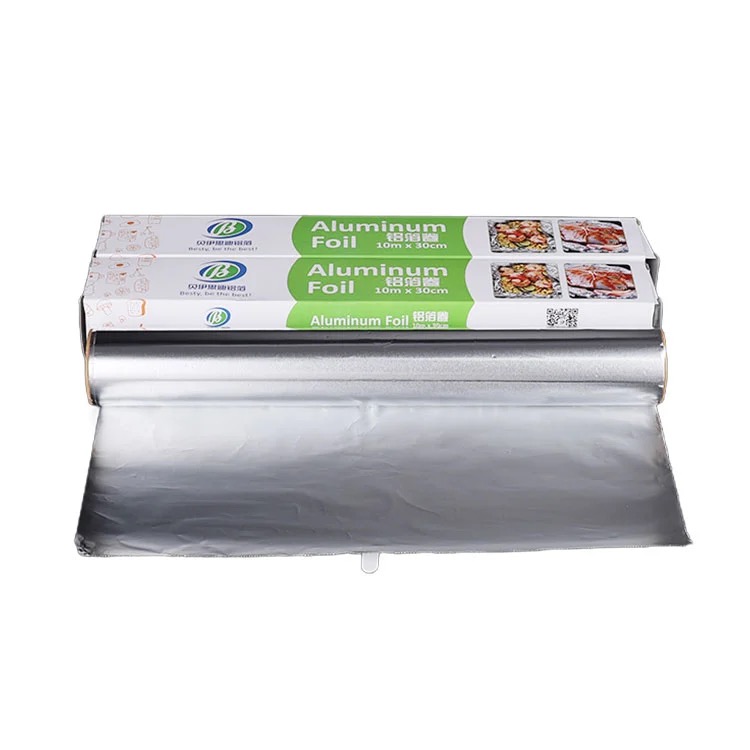
So you're staring down the foil aisle, and your hand naturally reaches for the Diamond aluminium foil box. It's the name you know. But let's be honest—do you actually know why you're grabbing it, or if it's even the right choice for what you need tonight?
Here’s the thing: Diamond aluminium foil comes in different types, just like any major brand. Picking the right one isn't about loyalty; it's about matching the roll to the job. Grab the wrong one, and you'll be fighting a flimsy, tearing mess.
Look Past the Logo, Read the "Duty"
This is the most important part. The Diamond brand isn't a single product. They make:
Standard Duty: Think sandwich wraps and covering cold dishes. It's thin, flexible, and economical. Try to roast vegetables on a sheet pan with it, and it will shred and stick.
Heavy Duty: This is your kitchen workhorse. It's noticeably thicker and stronger. This is what you want for lining baking sheets, wrapping meats for the oven, and covering casserole dishes that need a tight seal. If you do any real cooking, this is the one.
Non-Stick & Extra Wide: They have specialized rolls too. The non-stick version (with a coating) is brilliant for cheesy or sticky foods. The extra-wide is a secret weapon for large roasts and full-sized sheet pans.
Still holding that Diamond aluminium foil box in the store? Here's a quick hack. Gently squeeze the box sides. A heavier, denser feel usually means a thicker gauge (likely Heavy Duty). Now, imagine the sound. A thicker foil will have a deeper, more substantial crinkle. The thin stuff sounds tinny and weak. Your senses don't lie.
Brand doesn't matter if the roll collapses. Before you buy, check the end of the box. Is the cardboard core thick and sturdy? A flimsy core means the whole roll will crumple and jam halfway through, making you wrestle with a metal accordion. A quality roll, from Diamond or anyone else, is built on a solid foundation.
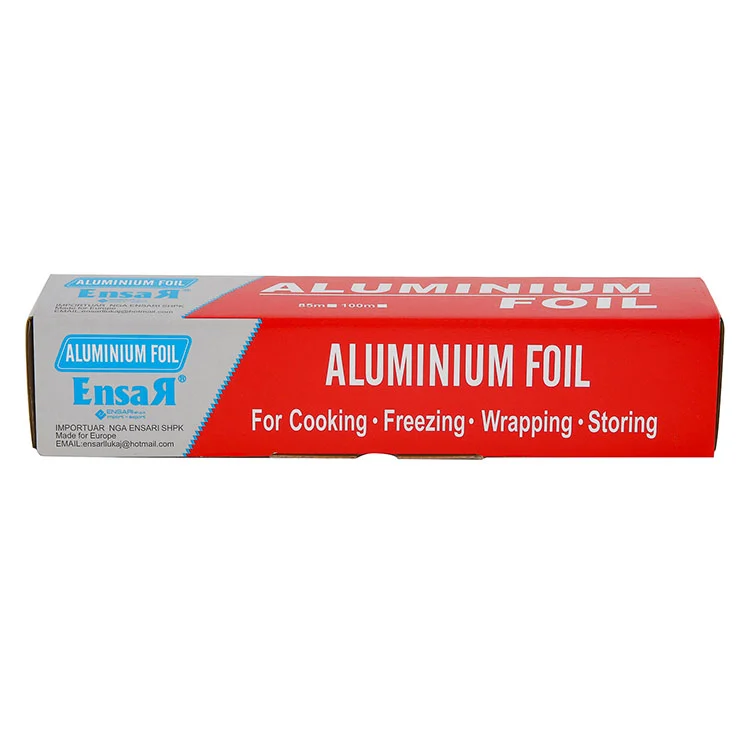
Don't just grab the blue and silver box. Pause. Are you packing a lunch or roasting a chicken? Look for the words Heavy Duty on the Diamond aluminium foil packaging. That’s the choice that won’t let you down when the heat is on. Buy for the task, not just the trademark.

This article provides a comprehensive overview of embossed food service aluminum foil, focusing on its structure, performance advantages, food safety benefits, and real-world applications. You will learn how embossing improves heat retention, reduces tearing, enhances hygiene, and supports efficient food service operations. Practical tables, comparisons, and FAQs are included to support informed purchasing decisions.
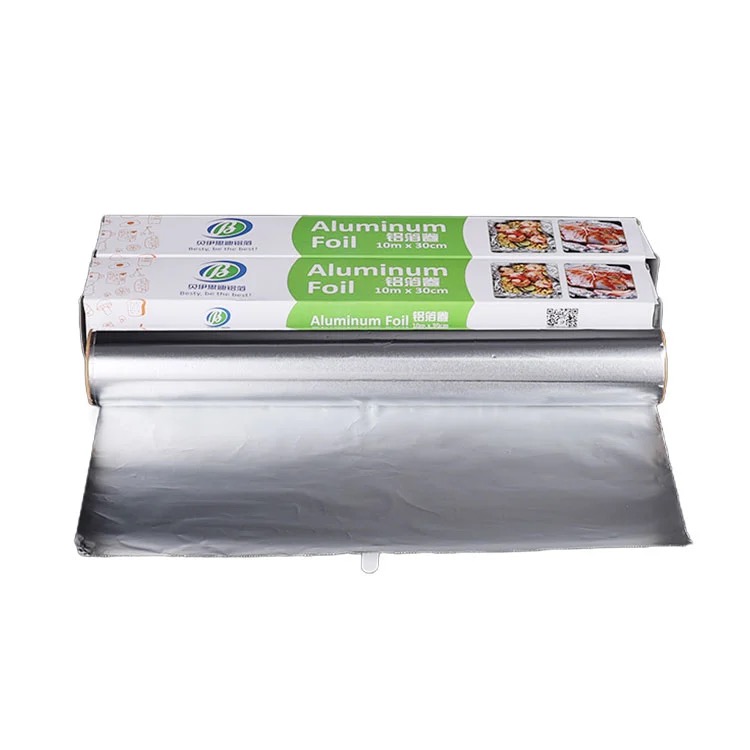
Embossed food service aluminum foil is aluminum foil that has been mechanically pressed with patterned rollers to create raised textures on its surface. These patterns are not decorative—they serve critical functional purposes.
The embossing process improves:
Food service foil is commonly produced from food-grade aluminum alloys and complies with international safety standards for direct food contact.
One of the most important performance advantages of embossed aluminum foil is its superior heat retention capability.
The raised embossed patterns create micro air pockets between the foil and the food surface. These air pockets act as thermal buffers, slowing down heat loss.
Embossed foil molds more easily around containers and food shapes, minimizing gaps where heat can escape.
The textured surface helps distribute heat more evenly during baking, roasting, or reheating.
| Feature | Embossed Foil | Smooth Foil |
|---|---|---|
| Heat Retention | Excellent | Standard |
| Thermal Stability | High | Medium |
| Container Fit | Superior | Average |
Food safety is a top priority in any commercial kitchen. Embossed food service aluminum foil offers multiple hygiene-related benefits.
Manufacturers like Besty ensure strict quality control to meet global food safety certifications, helping food service operators comply with regulatory requirements.
| Comparison Factor | Embossed Foil | Smooth Foil |
|---|---|---|
| Tear Resistance | High | Lower |
| Handling Grip | Excellent | Slippery |
| Heat Retention | Superior | Basic |
| Professional Use | Preferred | Limited |
Embossed food service aluminum foil is widely used across multiple segments:
Its durability and thermal reliability make it ideal for high-volume, high-demand operations.
The production of embossed aluminum foil involves:
Leading suppliers such as Besty implement rigorous inspection standards to ensure consistency, cleanliness, and compliance.
When selecting embossed foil for food service, consider:
Choosing the right specification ensures optimal performance and cost control.
Aluminum foil is 100% recyclable, and embossed designs often reduce material waste due to higher strength per thickness.
Benefits include:
Yes, when manufactured from food-grade aluminum and certified to relevant standards, it is completely safe.
Absolutely. It is designed to withstand high temperatures common in commercial cooking.
No. Embossed aluminum foil remains fully recyclable.
Because it offers better strength, handling, heat retention, and food safety performance.
Embossed food service aluminum foil delivers clear advantages in heat retention, durability, hygiene, and operational efficiency. For restaurants, caterers, and food manufacturers seeking reliable, professional-grade packaging and cooking solutions, it represents a smart long-term investment.
If you are looking for a trusted supplier with consistent quality and industry expertise, Besty offers a full range of embossed food service aluminum foil solutions tailored to commercial needs.
Ready to upgrade your food service foil solutions? Contact us today to learn more, request samples, or discuss wholesale options—contact us and let our team support your business growth.