Proper storage of aluminum foil rolls is essential to maintain their quality, performance, and longevity. The way rolls are handled in warehouses, production facilities, and retail environments directly impacts their usability. At our factory, we have developed a series of best practices to ensure that every aluminum foil roll we supply retains its original properties. Ningbo Besty Aluminium Foil Products Co., Ltd. emphasizes quality control and storage recommendations to help our clients avoid common issues such as oxidation, deformation, and surface scratches. Our experience shows that even minor storage mistakes can lead to significant operational inefficiencies.

Environmental conditions play a crucial role in preserving the integrity of Aluminum Foil Rolls. Temperature, humidity, and exposure to direct sunlight are key factors. Our team recommends storing the rolls in a cool, dry environment, ideally between 18 to 25 degrees Celsius with relative humidity below 60 percent. Excessive heat or humidity can accelerate oxidation and reduce the foil’s flexibility. At Besty, we control storage conditions in our warehouses to minimize any risk of surface deterioration and maintain optimal performance for our customers.
In addition, it is important to avoid exposure to chemicals, dust, and corrosive gases. Our factory ensures that all Aluminum Foil Rolls are stored away from reactive substances. This precaution prevents discoloration and surface defects, which can affect both appearance and functional use. Operators handling the rolls should wear clean gloves to prevent fingerprints or scratches on the foil surface. Maintaining a controlled environment allows our clients to extend the usable life of Aluminum Foil Rolls while preserving their mechanical properties.
The physical positioning of Aluminum Foil Rolls during storage is critical to prevent warping, dents, or edge damage. Rolls should be stored horizontally on racks with sufficient support across their length to distribute weight evenly. Vertical stacking is discouraged unless designed racks provide full axial support. Our engineers at our factory often demonstrate proper placement techniques to new clients to ensure handling safety and foil integrity. Ningbo Besty Aluminium Foil Products Co., Ltd. applies these guidelines across all stages from manufacturing to shipment to maintain consistent product quality.
Handling equipment such as forklifts or pallet jacks should be used carefully to prevent collisions or pressure points on the rolls. Aluminum foil is thin and can deform under uneven weight, which compromises usability. Our team also recommends avoiding stacking more than three rolls without proper support structures. By implementing these practices, operators can ensure that Aluminum Foil Rolls remain flat and smooth, reducing waste and minimizing production downtime.
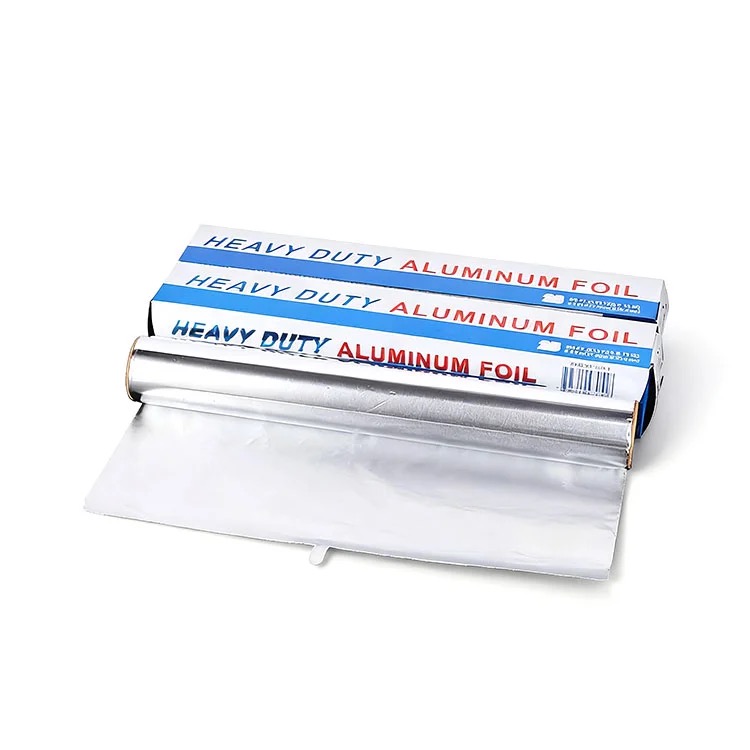
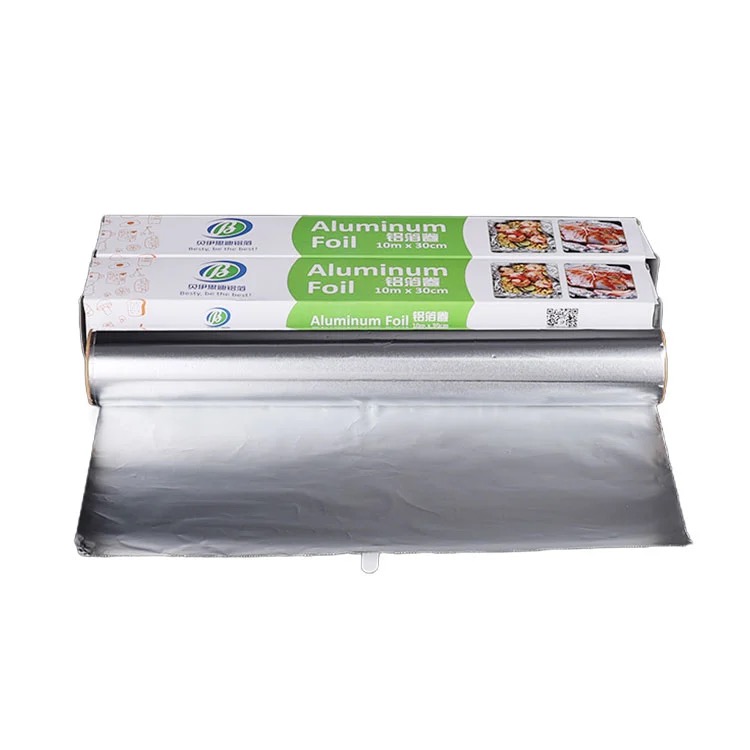
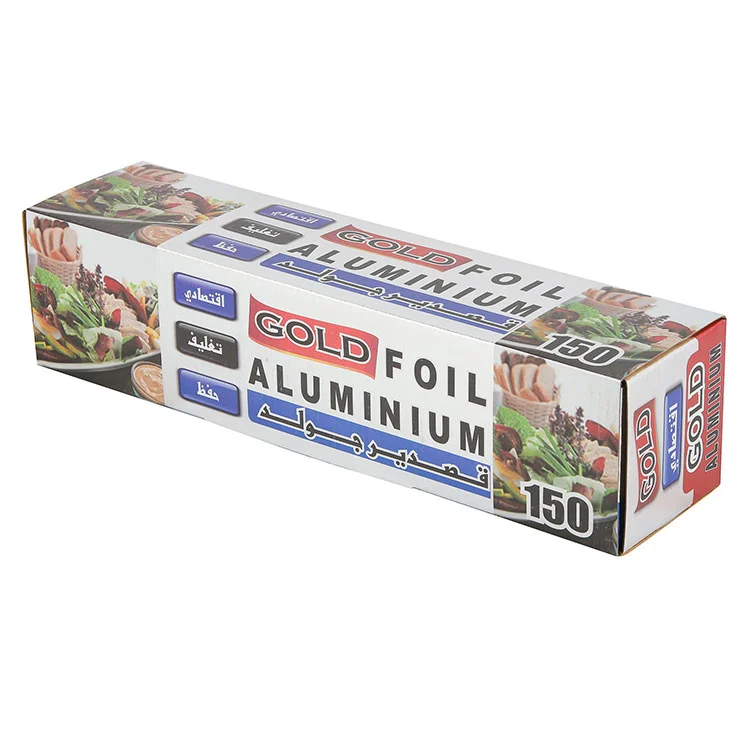
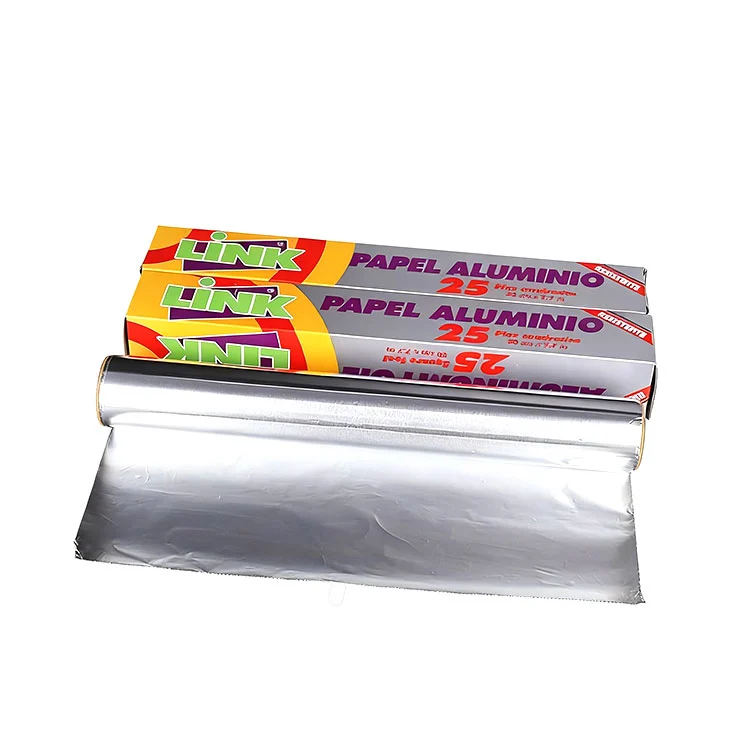
Packaging is an essential factor in ensuring aluminum foil rolls retain their quality while stored. Our factory uses protective wrapping that shields the rolls from moisture, dust, and mechanical damage. Each roll is individually wrapped in a protective film or paper sleeve to prevent surface scratches. Ningbo Besty Aluminium Foil Products Co., Ltd. also uses reinforced cardboard tubes for core support, which ensures that the roll maintains its shape and structural stability during handling and transport.
When selecting storage containers, it is important to allow for ventilation to prevent moisture accumulation. Rolls should not be placed directly on concrete floors; instead, they should be elevated using pallets or shelving. Our engineers at our factory frequently advise clients on appropriate packaging and handling procedures to prevent damage caused by stacking, vibrations, or environmental exposure. Maintaining proper packaging standards is one of the most cost-effective ways to preserve Aluminum Foil Rolls over long-term storage.
Proper inventory management helps maximize the usability of Aluminum Foil Rolls. Our team recommends first-in, first-out (FIFO) practices to ensure older rolls are used before newer ones. Storing rolls for extended periods can result in minor oxidation or adhesive migration in laminated foils. By following recommended rotation practices, clients can maintain consistent quality across all batches.
Our factory tracks production dates and advises customers on optimal usage timelines for each type of Aluminum Foil Roll. Rolls that have been stored for longer than one year should be inspected for surface integrity before use. At Ningbo Besty Aluminium Foil Products Co., Ltd., we provide technical guidance for both short-term and long-term storage scenarios to help clients avoid operational disruptions.
The following table presents key parameters of Aluminum Foil Rolls commonly supplied by our factory. These specifications guide customers in selecting the correct product for storage and operational use.
| Thickness (microns) | Width (mm) | Length per Roll (m) | Core Diameter (mm) | Surface Finish |
| 6–20 | 300–1500 | 500–2000 | 76 | Bright / Matt |
| 10–25 | 400–1200 | 1000–3000 | 152 | Bright / Matt |
| 12–30 | 500–1500 | 1500–4000 | 76 / 152 | Bright / Matt |
Correct handling during transportation complements proper storage practices. Aluminum Foil Rolls should be lifted and moved using appropriate equipment to avoid impacts and surface damage. Our engineers advise clients to use soft straps, padded forks, and secure placement to prevent dents or edge deformation. At our factory, we implement these procedures before shipping to ensure that rolls arrive at customer facilities in perfect condition. Maintaining careful handling from warehouse to production line preserves the quality and usability of Aluminum Foil Rolls.
Q1: What environmental conditions are critical for maintaining foil quality?
Temperature stability, humidity control, and protection from direct sunlight are essential. Optimal storage is at 18–25 degrees Celsius with humidity below 60 percent. This prevents oxidation, surface corrosion, and deformation of Aluminum Foil Rolls.
Q2: How should rolls be positioned to avoid damage during storage?
Store rolls horizontally with full support across the roll length. Avoid stacking more than three rolls without reinforcement. Proper positioning prevents dents, warping, and edge damage, ensuring consistent performance during use.
Q3: What packaging measures are most effective for long-term storage?
Use individual protective wraps, reinforced cores, and elevated pallets. Ventilated storage prevents moisture accumulation. These measures safeguard Aluminum Foil Rolls from scratches, surface defects, and environmental degradation.
Proper storage of Aluminum Foil Rolls involves careful control of environmental conditions, correct positioning, protective packaging, and monitoring of storage duration. By following these best practices, users can maintain quality, reduce material loss, and ensure consistent performance. Our team continually works to provide high-quality Aluminum Foil Rolls and practical storage guidance. If you are looking to optimize storage practices or ensure the longevity of your foil rolls, contact our technical department at Ningbo Besty Aluminium Foil Products Co., Ltd. for professional support and recommendations.