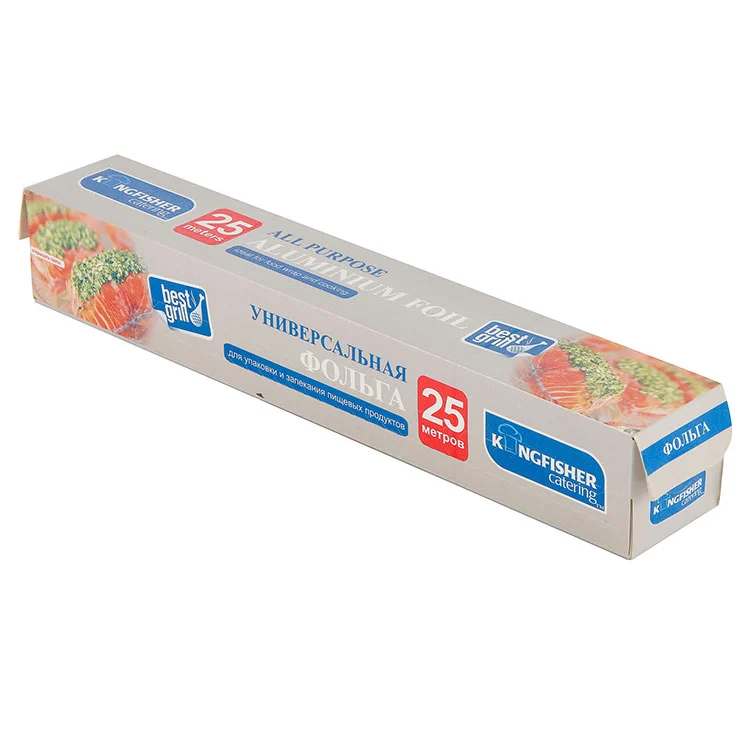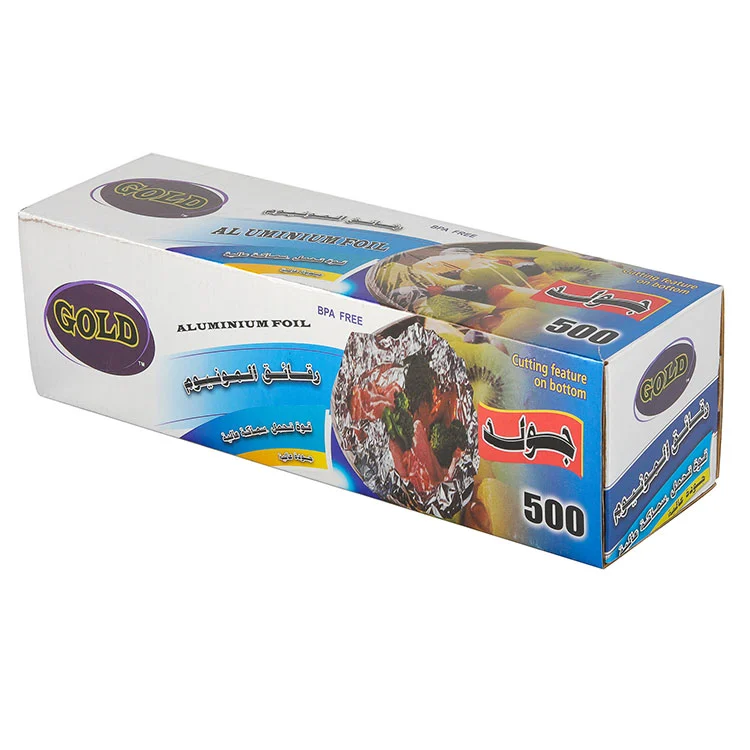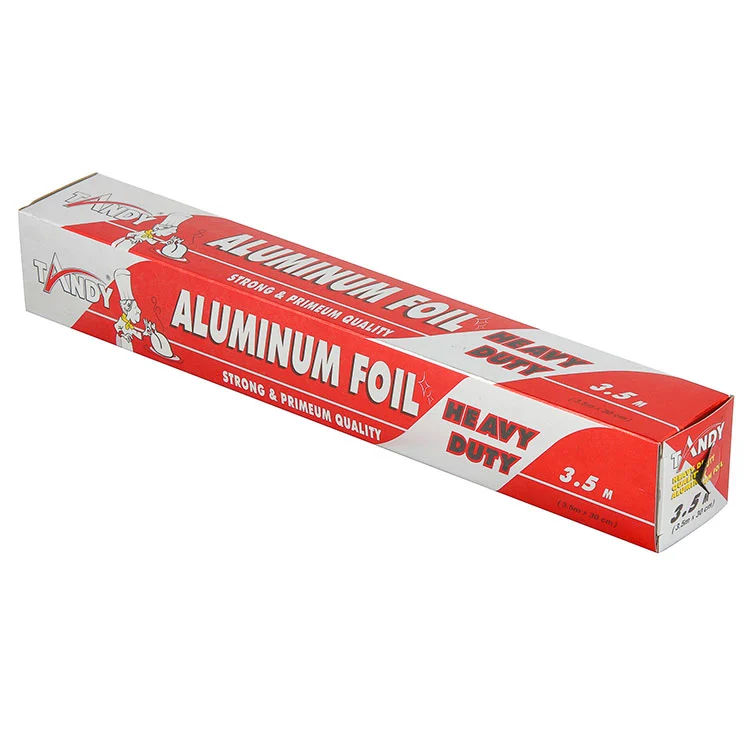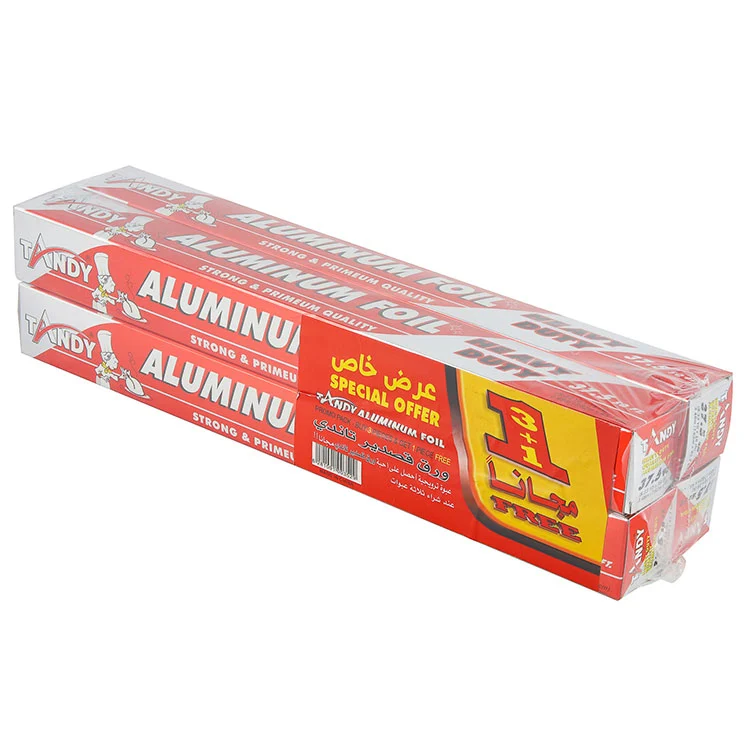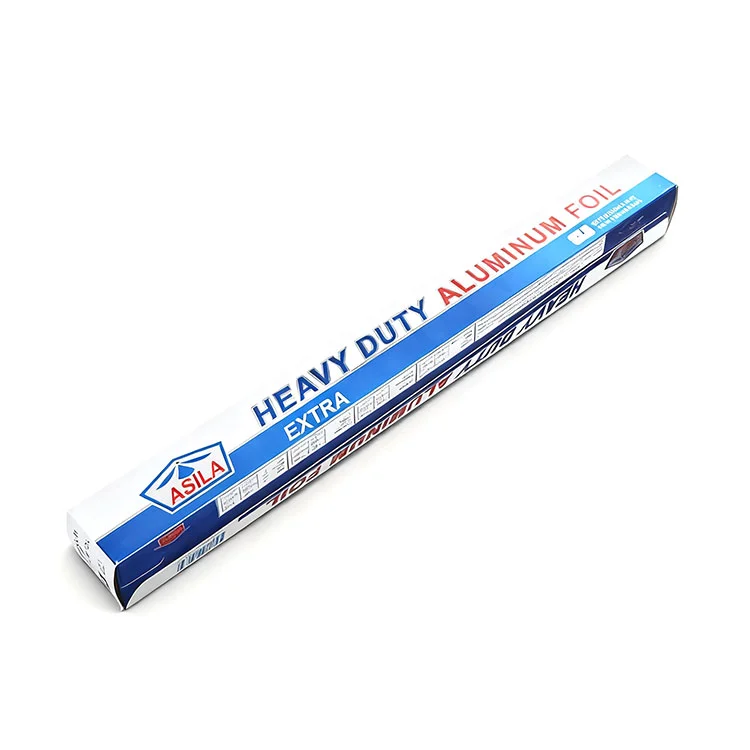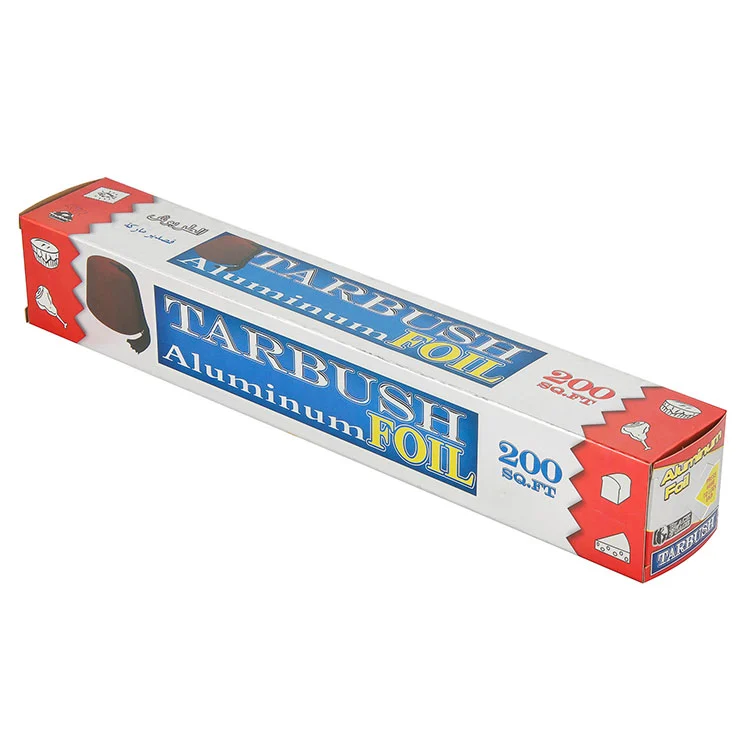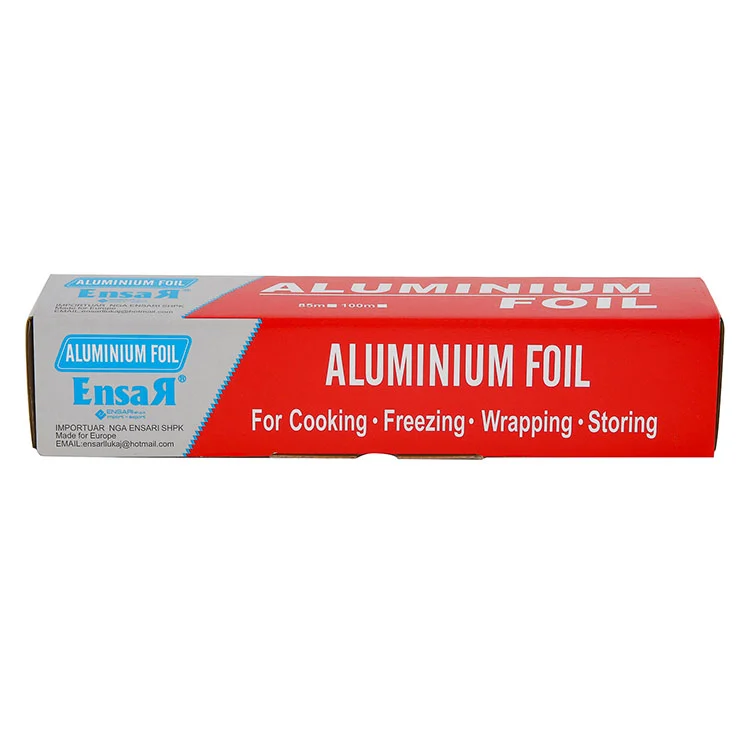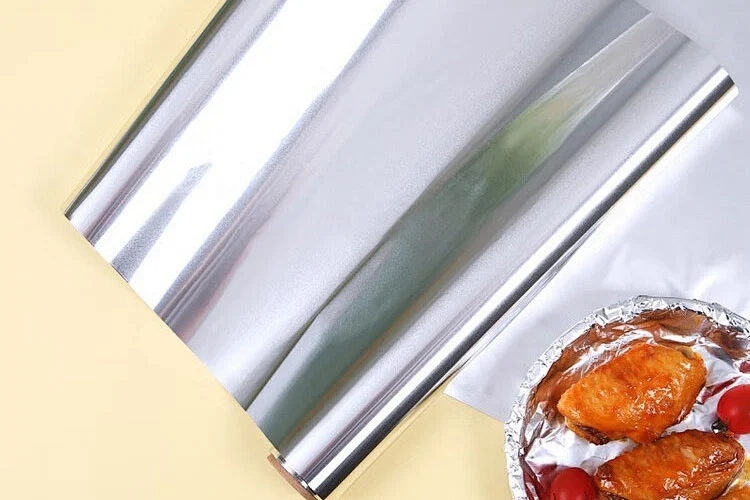

Walk into any Michelin-starred kitchen, industrial bakery or barbecue competition tent and you'll find a workhorse material: heavy-duty aluminum foil.
Standard foil crumples at 0.0006 inches – barely thicker than human hair.
| Property | Standard Foil (0.6mil) | Heavy Duty Foil (1.2-2.3mil) | Why It Matters |
|---|---|---|---|
| Tear Resistance | 1.5 | 8.4-12 N | Won’t shred pulling turkeys from smokers |
| Heat Tolerance | 250 | 650°F+ | Hand |
| Puncture Score | 17kPa fail | 42kPa hold | Guards against bone shards |
| Fold Endurance | 3 | exceeds 80, 000 folds <sup>(</sup> | Survives industrial |
1. commercial kitchens
2. Industrial processes:
heavy duty aluminum foil reduces downtime.
3. laboratory/pharmaceutical:
Radiation shielding for the pharmaceutical industry.
Thickness and Strength
Standard Aluminum Foil: Thickness is usually about 0.016 mm (0.63 mils). This thinner material is flexible and easy to handle, but is more likely to tear or puncture when subjected to force.
heavy duty aluminum foil: Typically thicker, at about 0.024 mm (0.94 mils) thick, this thicker design provides greater strength and durability and is less likely to tear or puncture when handling heavier foods or cooking at high temperatures.
Thicker, heavy-duty aluminum foil can withstand higher temperatures and more demanding tasks, such as grilling or wrapping bulky items, without compromising its integrity.